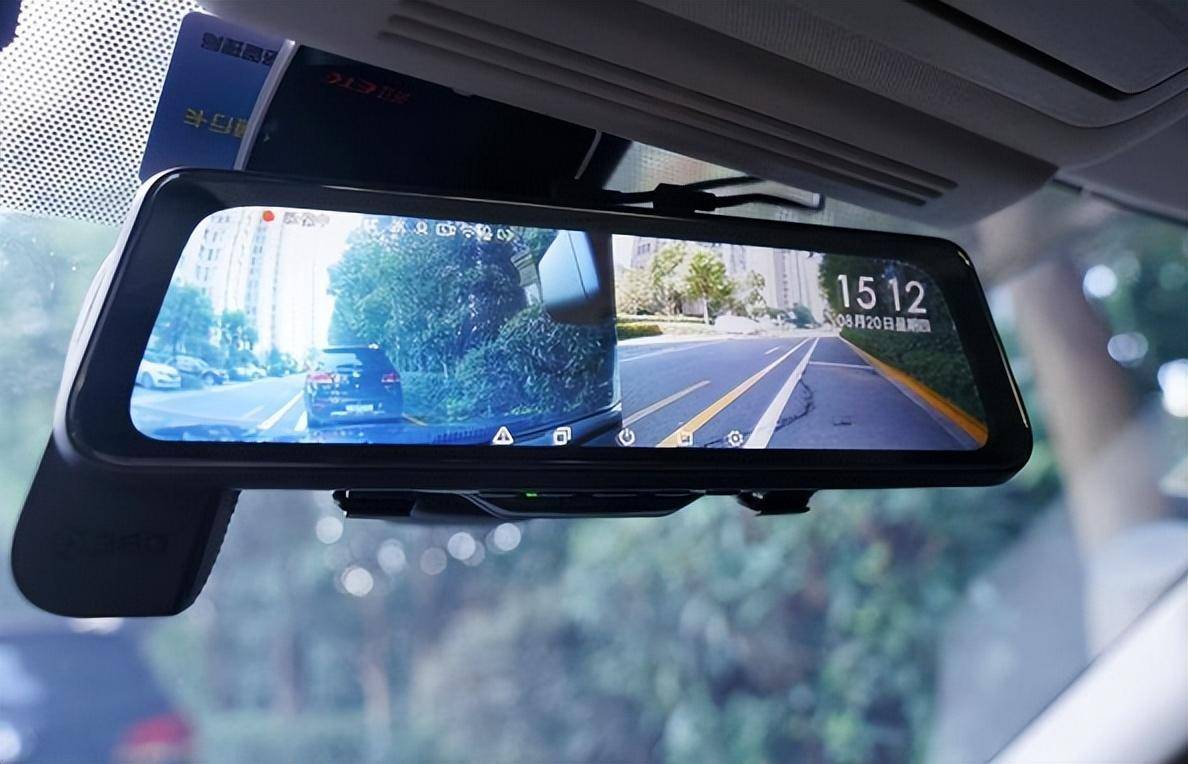
The main features of this high-definition recording device include night vision imaging and parking monitoring. It is designed to be suitable for use in vehicle-mounted environments with high temperatures and vibrations. It is a popular and essential product in the automotive aftermarket, covering various scenarios such as private cars and commercial vehicles. Exporting this product to the United States requires FCC ID certification as the core mandatory entry requirement. Unlike Thailand's NBTC which focuses on vehicle safety and radio frequency control, and Brazil's ANATEL which emphasizes local telecommunications regulations, FCC ID certification focuses on the radio frequency compliance of the wireless module (WiFi/Bluetooth) of the recording device. It is crucial for the product to pass the inspection by the US customs, be available on Amazon US and local offline channels, and directly determines the success or failure of the overseas venture.
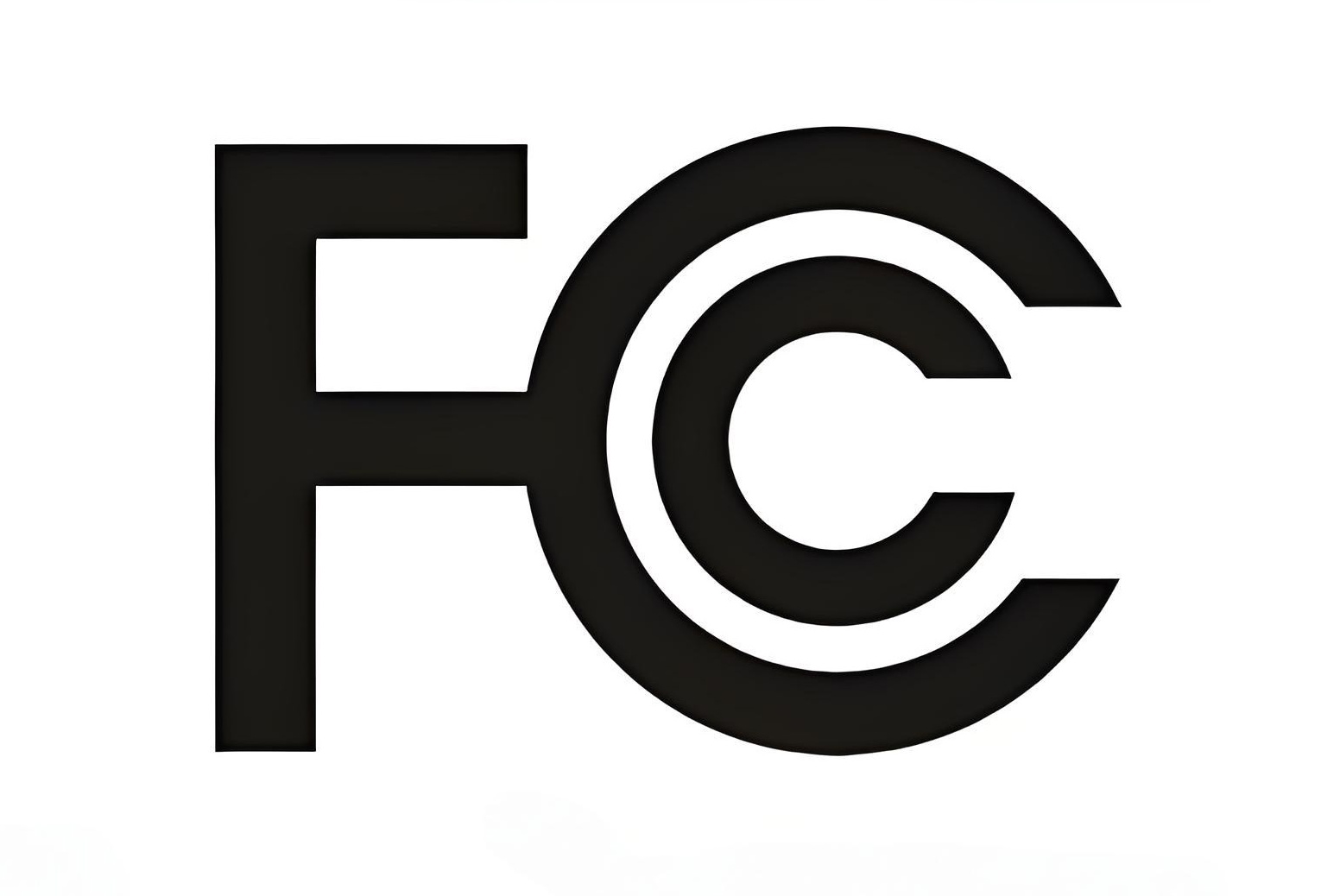
Many foreign trade friends who export recording devices often confuse FCC ID with ordinary FCC certification. Here, the core differences are clarified. FCC ID is a mandatory certification implemented by the US Federal Communications Commission (FCC) for wireless devices that intentionally emit radiation. Since recording devices carry wireless transmission modules such as WiFi and Bluetooth, they are considered intentional radiation devices and must obtain FCC ID certification instead of the ordinary FCC SDoC self-declaration. The core of the certification is to pass strict radio frequency tests, regulate the use of frequency bands, prevent electromagnetic interference, and ensure the stability of the US public communication network. Without certification, products cannot legally enter the US market.
Based on the exclusive characteristics of recording devices for vehicle use, the control focus of FCC ID certification is highly targeted, mainly revolving around radio frequency compliance. It also takes into account the adaptation to vehicle scenarios. On one hand, it checks the transmission power, frequency accuracy, and modulation stability of the wireless module, strictly meeting the requirements of the US Part 15C standard to ensure that wireless transmission (such as video export and remote viewing) does not exceed the specified frequency band. On the other hand, it tests the spectral purity of the equipment to limit interference emissions and avoid disturbing local mobile phones, broadcasts, navigation, etc., while adapting to the radio frequency stability of the vehicle in high-temperature environments.
The test standards do not require blind selection; directly corresponding to the exclusive FCC specifications is sufficient. The full-item radio frequency test follows the Part 15C standard, focusing on verifying the compliance and stability of wireless transmission; at the same time, it refers to the Part 15B standard to check the conducted and radiated emissions during equipment operation, adapting to the complex electromagnetic environment of the vehicle, and ensuring that the recording device does not interfere with the vehicle's own electronic systems during 24-hour standby monitoring.
The processing flow has clear practical steps, which are in line with the timeliness of foreign trade enterprises' overseas ventures, and can be advanced step by step. First, sort out the core configuration of your recording device, confirm the model of the wireless module, transmission frequency band, high-definition resolution, etc., prepare 2-3 test samples exactly the same as the production batch, simultaneously organize English manuals, circuit diagrams, specifications of the wireless module, product appearance and internal structure photos, and the manual should include frequency usage instructions and FCC ID compliance explanations, which are easily overlooked details.
Next, entrust a third-party laboratory with FCC accreditation and TCB (Telecommunication Certification Agency) to submit the samples and complete the full-item radio frequency test. If there are issues such as radio frequency power exceeding the limit or abnormal emission of interference, the laboratory will issue a special rectification plan, such as optimizing the layout of the wireless module or adjusting the circuit design. After passing the test, TCB reviews the test data and assigns a unique FCC ID identifier. Within 1-2 working days, a formal certification certificate will be issued.
Finally, according to the specifications, mark the FCC ID identifier (standard format: FCC ID:XXXX-YYYY) on the product body, packaging, and English manual, keep all the materials for future reference, and can export to the United States in compliance. The regular certification cycle is 3-4 weeks, and with a CE radio frequency report, it can be shortened by 1-2 weeks. Please note three key points to avoid pitfalls: First, the wireless module must be fully tested, and no frequency band can be omitted. Secondly, the core components (lenses, wireless modules, power supplies) of the samples must be exactly the same as those of the mass-produced products. Any parameter changes require re-certification. Thirdly, all the materials need to be provided in English throughout the process, with clear and standardized labeling to avoid rejection during the review. By doing these things, one can successfully pass the FCC ID certification and steadily expand the market for car recorders in the United States.